
 Українська
 RU
 Arabic
 Français
 Română



Будущие Акции
Уважаемые клиенты! На данный момент в компании акции не планируются и не проводятся
Уважаемые клиенты! На данный момент в компании акции не планируются и не проводятся
Investment Planning - эis orderly process of information processing to develop the project which pre-determines the performance to achieve the objectives.

Planning has the following levels:
Scheduling value is primarily that it can provide a high degree of probability and achieving high systematic production decisions. Thus it is a prerequisite for efficient operation of the enterprise. Scheduling the following functions:
In drawing up the plans used the information that is knowledge designed to achieve certain goals.
When planning the knowledge used to identify problems and to make decisions. It relate to the formation of goals, indicators of external and internal indicators, alternative decision. Typical investment planning alternatives can be described by the following questions:
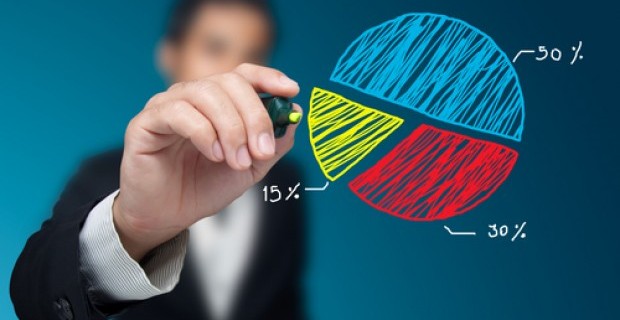
Alternatives analysis defines indicators for which forecasts have to be made. Forecasts are predictions about the future state of affairs made on the basis of practical experience and theoretical knowledge. The forecasts are divided into short, medium and long term.
Our company produces professional support, advice and assistance in the creation of investment project analysis, planning and implementation of the outcome.
Global financial markets - this is one of the best, tested and debugged time capital investment mechanisms. Compared to other areas of investment, financial markets have a number of advantages:
It is not a secret that investing in the financial markets is one of the most profitable businesses. The Forex market allows customers to earn as trading independently and transferring funds to the management of experienced traders. But from investors with lack of the big funds, expertise and experience the choice of the trader can be fraught with risks.
Since childhood, we know how the store operates. You take what you need and instead gave the money. This is an example of trading in our daily lives. Just usually we do not even think about it.
So it turns out that you already know something about trading. Let us now deal with the fact that such trading on the financial markets.

Trading is primarily the exchange of goods, ie, when one buys and the other sells. Trader's task - to buy goods cheaper and sell it more expensively. As we have seen trading is first of all an exchange. An example of trading in ordinary life is the exchange of money for goods and products. In the same way the financial markets work. The only difference is in the product. For example you can buy shares of any company (in other words to buy part of its property). To make a profit you need to wait until the stock price will rise and then sell them. The higher cost will rise the more you earn. It is trading!
Now let's look at what makes stocks go up? The answer is simple: change in supply and demand! The more people who want to buy the product the higher the demand and therefore the price.
When demand increases then the price is steadily increasing. If the seller sees that the goods are not enough for everyone then he can sell it more expensive. Consider a simple example. Throughout the market just ten apples left, but you want to buy just a couple pieces. If you are the only buyer the seller is unlikely to be trying to sell the apples at a price above the normal.
Now imagine that there are 15 buyers and everyone needs apples. To ensure that you obtain the desired product all willing to pay more. In this case the seller can increase the price because he knows that apples were less than buyers. At some point the price can be so high that no one will want to buy more apples. As soon as the seller sees this, it will start to sell goods a little cheaper again to interest buyers.
When growing offer the price is reduced. If several vendors exist, they begin to reduce the price to attract buyers. What if our market will have another dealer, who will offer more apples and thereby create competition. It is reasonable to assume that buyers attracted by the cheaper goods, so a new seller is reasonable to set a price lower than that of a competitor. To draw attention to the product the first seller have to reduce the price of apples. Otherwise he may lose customers. As a result of the goods is established so-called "market price". That is the price at which a buyer is willing to buy the goods and the seller is willing to sell it.
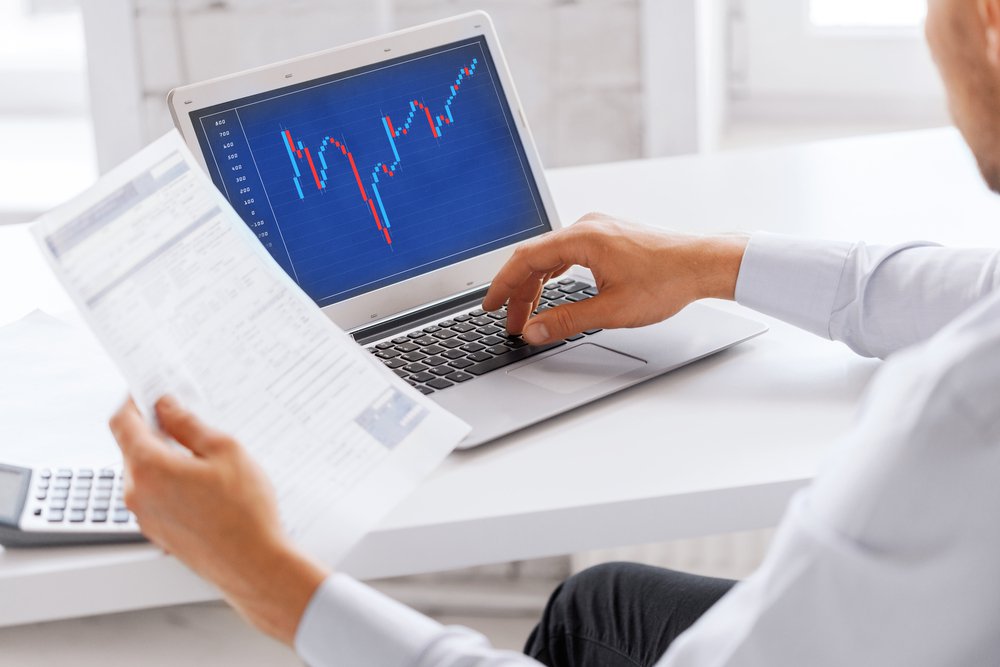
In financial markets, the law of supply and demand works in the same way. If any company is doing well and the shareholders receive higher dividends, more willing pto buy its shares people will be. As a result of the increased demand will increase the price per share.
It's simple! Online trading - is trading on the Internet. For a long time to trade in the financial markets could only banks and financial institutions. In the age of high-speed Internet everyone has the opportunity to try itself in online trading. While we did not go into the details on-line trading remember one simple truth: you can trade all that costs money. Stocks and currencies, raw materials and goods - all this can be found on today's trading platforms. And the biggest of them without a doubt is the Forex market, the daily turnover which amounts to almost 4 trillion dollars.
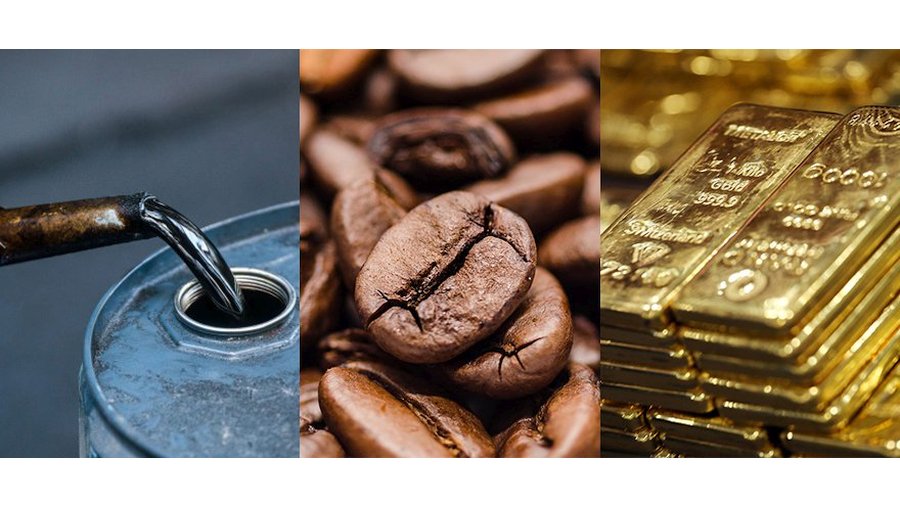
The whole essence of the relationship to trade in this market, in most cases resorted to speculative operations than to provide direct deliveries.
Those categories of the traded product can be distinguished certain groups of goods:
There are several ways in which we can profitably invest in the commodities market.
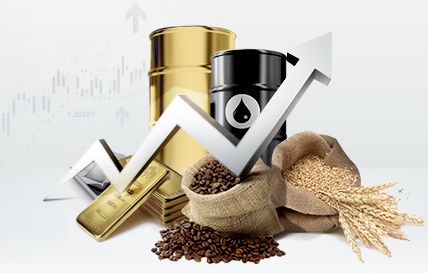
The first, and perhaps can be called traditional way of investments in organizations that produce the raw products, as well as organizations that serve them. Speaking about the investment business benefits (such as the possibility of increasing production and capitalization of the organization, even in an environment where raw material prices for the most part do not justify payment), it should be noted that there are also some disadvantages, namely: company shares value does not always show the situation with the prices of products and often depend on the general state of the market - a bear market is not conducive to the growth of stocks, taking into account the fact that in synchronization with the fall of stock indices can be seen, and the rise in commodity prices. The rise in commodity prices may be regarded by the market as a temporary trend that is not included in the value of shares. A very large impact on the capitalization of the organization can have a change in government policy, such as: the level of taxation, the amount of taxes that they can not allow organizations to benefit from the growth of prices for their products.
Also investments in certain companies associated with the need to read a quality management and involve additional risks such as: the ability to hide the facts of manipulation method of reporting, debt problems, absolutely a variety of unpredictable events that may affect a particular company.
Another way to benefit from the rising cost of raw materials is to invest in the state which produces raw materials. Risks that relate to this strategy are obvious because most of the "raw" countries are very sensitive to all external factors; most of these countries are with a rather unstable singular conditions and internal threats can completely block the possible benefits obtained from these investments.